Stackable Chairs or Folding Chairs for Flexible Outdoor Dining
Outdoor dining areas rarely stay fixed in purpose. A patio may host a quiet breakfast one day, a crowded dinner the next, and a poolside gathering when the weather turns warm. Seating has to keep up. Stackable chairs and folding chairs both solve the storage problem, but they do it in different ways, and the right choice depends on how the space is used, how often chairs are moved, and what kind of comfort matters most.
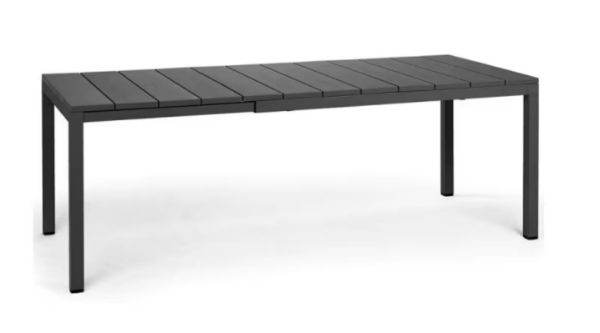
The decision becomes clearer when the seating is considered alongside patio dining tables. A dining table sets the height, reach, and visual tone of the setting. Chairs need to suit that setup without making the area feel cramped or temporary. Resin furniture is often used outdoors because it handles moisture, sunlight, and frequent cleaning better than many indoor materials, but chair format still changes the day to day experience.
How stackable chairs work in an outdoor setting
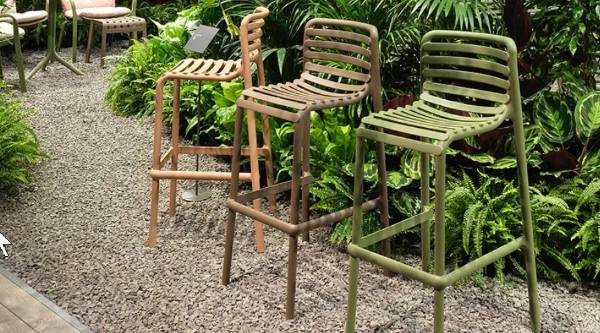
Stackable chairs are designed to sit one on top of another when not in use. The frame and seat shape allow each chair to nest with the next, creating a compact column that can be stored along a wall, in a shed, or in a covered service area. This makes them useful where chairs are brought out often but do not need to disappear after every meal.
The main strength of stackable chairs is speed. Clearing a patio after a meal can be as simple as lifting chairs one by one and placing them in a stack. There is no hinge to unfold, no leg mechanism to settle, and no separate step to remember. In busy dining areas, that simplicity matters. Staff or household members can reset the space with less fuss, and the chairs tend to look orderly when stored.
Stackable resin chairs also tend to have a more settled feel than many lightweight folding designs. Because the frame is usually less dependent on moving joints, the chair can feel steadier when someone shifts position at the table. That can be a good fit for patio dining tables used for longer meals, where comfort and posture matter more than rapid setup.
The trade off is storage shape. A stack needs vertical space and a stable place to sit. If the patio has limited wall space, or if chairs must be tucked into a narrow cupboard, the stack may be awkward. Some designs also need care when stacking so that legs do not scuff seats or catch on the chair below. A clean stacking motion protects the finish and keeps the stack from leaning.
How folding chairs work in an outdoor setting
Folding chairs collapse flat or narrow, which makes them useful when storage space is short. They can slide under a bench, stand in a row against a wall, or fit into a car boot for an event away from home. For patios that double as event spaces, this shape can be more practical than a tall stack.
Folding chairs are also easy to move in small batches. Many are light, and their flattened shape means several can be carried at once. That suits spaces where seating is brought out only for certain hours, then put away quickly. A garden dining area that serves as a play space during the day may benefit from chairs that can be folded and stored without leaving a visible stack behind.
The compromise is comfort and rigidity. A folding chair depends on hinges, braces, and tension points. Over time, loose joints can make the seat feel less secure, especially on uneven paving. Some models are comfortable for a short meal but less appealing for a long dinner. If folding chairs are placed around patio dining tables that are used for relaxed, unhurried meals, seat comfort should be checked carefully before choosing them.
Folding designs also ask more of the person setting up. Each chair needs to be opened fully and checked before use. A partially opened chair can be unstable, so it is worth making sure the legs are fully seated and the frame is locked in its intended position. This is a simple habit, but it matters on patios, decks, and garden paving where surfaces are not always perfectly level.
Matching the chair to the way the patio is used
Start with the pattern of use. If chairs are brought out most days and cleared at the end of service, stackable chairs usually fit the rhythm well. If seating appears only for occasional gatherings, folding chairs may be easier to keep out of sight. The difference is less about which option is better in general and more about which one matches the routine.
Table shape matters too. Round tables make conversation easy but can encourage chairs to sit at odd angles. Square and rectangular tables create clearer places for each seat, which can help when chairs are moved often. Whatever the shape, leave enough room for a person to pull the chair back and sit down without scraping the table or bumping a neighbouring chair.
Table height should line up with the seat height of the chair. A mismatch can make dining feel awkward, even when both pieces are well made. With patio dining tables, the aim is a comfortable reach to the plate and enough clearance for the legs. Low lounge seating may look relaxed beside a dining table, but it rarely works for a full meal.
Chair dimensions deserve attention in smaller patios. A chair that feels fine in an open showroom can make a compact dining space feel tight. Measure the width of each seat and the space needed behind it when someone is seated. Then compare that with the path to the gate, pool, or garden steps. Narrow walkways are where flexible seating often fails, because chairs get pushed aside and block movement.
Material and weather considerations
Resin material is a common choice for outdoor seating because it can be cleaned with routine care and does not need the same treatment as timber. It can also be molded into shapes that support stacking or folding without heavy frames. For patios exposed to rain, pool splash, or morning dew, this is a practical advantage.
Weather resistance still depends on how furniture is used. Chairs left in standing water, pressed against wet walls, or exposed to harsh sunlight for long periods may age faster than chairs stored carefully. Covered storage extends the useful life of both stackable and folding seats. It also keeps cushions and accessories dry, which matters if comfort is part of the plan.
Stackable chairs keep their shape well when stored in a clean, dry area, but damp seats should be allowed to dry before stacking. Trapped moisture can encourage mildew on any added pad and may leave marks on the resin. Folding chairs should be fully dry before closing as well, particularly around hinges and joints. Good storage habits are simple, yet they prevent many of the small problems that shorten outdoor furniture life.
Maintenance needs are generally modest, but they are not zero. Resin surfaces can collect pollen, dust, and food marks. A soft cloth, mild cleaning solution, and regular rinse usually keep chairs presentable. Avoid harsh abrasive tools that can dull the finish. Check folding mechanisms and stacking contact points from time to time, since grit can work into moving parts or scratch surfaces when chairs are opened and closed.
Comfort, appearance, and long meals
Chair comfort is easy to overlook when the focus is on storage. Yet the dining experience depends on it. A chair that stacks neatly but feels stiff may shorten meals. A folding chair that is easy to hide but shifts under weight may be fine for a quick drink and poor for dinner.
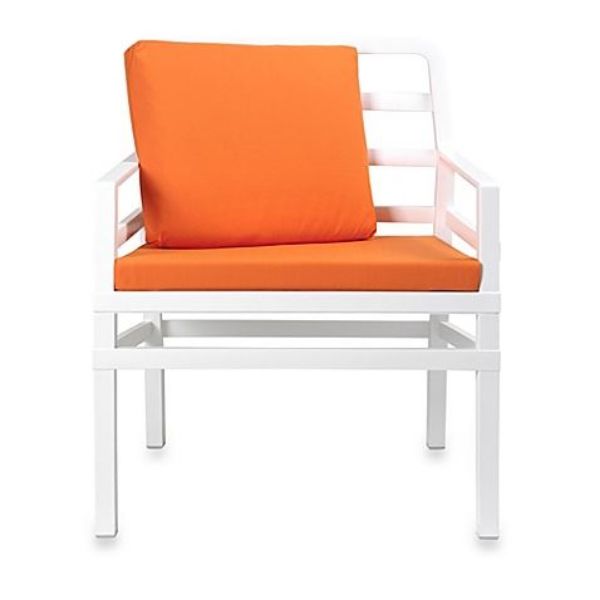
Think about the seat contour, back support, and arm placement. Arms can make a chair feel more substantial and help people sit and stand comfortably, but they also take more space around the table. Armless chairs tuck in more easily and suit tight layouts. If chairs will be placed side by side along a long table, armless designs often give everyone more room.
Appearance plays a part as well. Stackable chairs often read as part of the dining setup, especially when they match or complement patio dining tables. Folding chairs can look more temporary, which is acceptable for events but less ideal for a patio meant to feel settled. Resin finishes and neutral colours can help either option blend into the setting.
For commercial spaces, the choice may lean toward chairs that can be reset quickly and stored neatly between turns. For home patios, the balance may shift toward comfort and appearance. In both cases, the best result comes from looking at the whole layout rather than treating seating as an afterthought.
Where the two options suit best
Stackable chairs are a strong match for spaces with regular dining, enough vertical storage, and a need for quick clearing. They suit patios where chairs stay on site and are used often. They also work well with resin tables when the goal is a coordinated, practical dining area that can be tidied without much effort.
Folding chairs suit spaces that change function often. They are useful where seating must be stored flat, transported, or brought out for occasional events. They can also be helpful in gardens and pool areas where permanent dining seating would take up too much room. The key is to choose a stable design and to open each chair fully before use.
Some spaces use both. A permanent set of stackable chairs can stay near patio dining tables for everyday meals, while a smaller group of folding chairs can be kept for extra guests. This approach avoids relying on one format to do every job. It also lets the main dining area look intentional while still keeping flexibility close at hand.
Before choosing, picture the full route from table to storage. Count how many chairs need to move, where they will sit when not in use, and who will move them. A practical chair is not only one that feels good at the table, but one that people will actually put away. That simple test often decides between stackable and folding seating more clearly than any single feature.
outdoor-resin-furniture.com sits in the category of US online retail for Nardi and other resin outdoor furniture for patios, dining areas, pools, gardens, and commercial spaces. Within that setting, the choice between stackable and folding seating is best made by matching the chair to the table, the available storage, and the way the outdoor area is used.
A well planned patio does not need the most elaborate furniture. It needs pieces that fit together, move easily, and hold up to outdoor conditions. When chairs and tables are chosen as a set of practical decisions rather than separate purchases, the space becomes easier to enjoy and easier to reset.